

Discover how you can infuse color into every part of your garden with flowers for shade. Just about every landscape has some areas that are shaded much of the day by large trees, walls or fencing. Knowing what flowers can grow in shade is the first step to transforming these dark areas into cool, colorful, inviting spaces. We’ve got sixteen suggestions for flowers that bloom in the shade that will give you new ways to brighten a shady garden, window box, balcony, deck or patio.
Tips for Planting Flowers in Shade

- Keep in mind that a combination of annual and perennial plants will give you the best results. Annual flowers ensure non-stop color and perennial flowers add interest at different stages of the season.
- Since many shade-loving flowers enjoy the moist soil that shade has to offer, a top-dressing of decorative mulch after planting, will help keep plant roots cool and give your space a “finished” look.
- Most landscapes contain a variety of light levels. Even small shady spots can become a focal point when colorful shade-loving flowers are introduced to the mix. “Full shade” is an area in your garden that is in complete shade for at least six hours a day. The ideal full shade situation gets a little sunlight first thing in the morning but is shielded as the day grows hotter.
- Pots are a great place to grow shade-loving flowers. Containers are available in a vast range of colors and textures, so you can design in ways to suit your taste. Whether you prefer a contemporary, modern vibe or a traditional, cottage garden feel, the right container will elevate your design scheme.
Annual Flowers for Shade
Annual flowers provide consistent color throughout the growing season. They also give you lots of possibilities for experimenting with new color themes every year.
Impatiens
(Impatiens species)
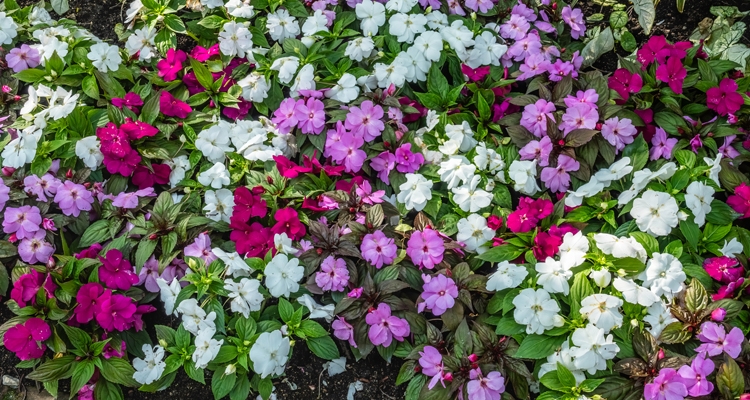
Impatiens are available in one of the widest color ranges of any annual flowers for shade. They’re incredibly versatile; impatiens plants can be grown in the ground, window boxes, planters or hanging baskets. Varieties with lightly colored flowers, such as white or shades of pink or pale lavender, reflect a lot of light and really stand out. Impatiens are some of the best flowers for shade.
Fuchsia
(Fuchsia hybrids)

Fuchsia flowers brighten shady spaces all summer long. Fuchsia plants are popular for growing in hanging baskets and the flowers are a favorite for nectar-seeking hummingbirds. Hang fuchsia plants along a porch or patio where you can sit and enjoy the show!
Begonia
(Begonia species)
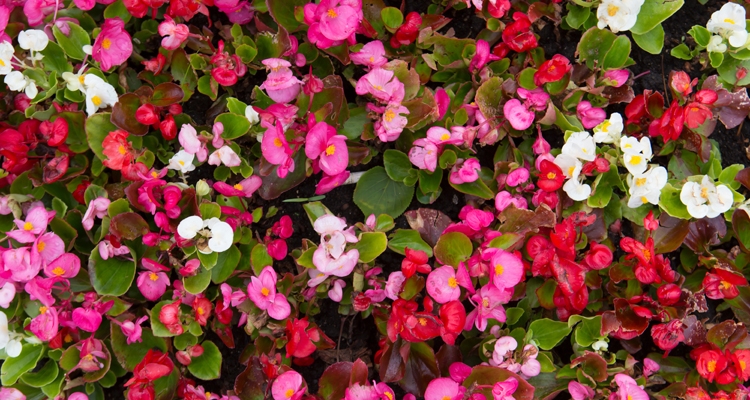
A tried-and-true choice for shade. Begonias come in a variety of species with different leaf and flower forms. All will do well in shade and they can be planted in the ground or grown in pots and hanging baskets.
Torenia
(Torenia fournieri)
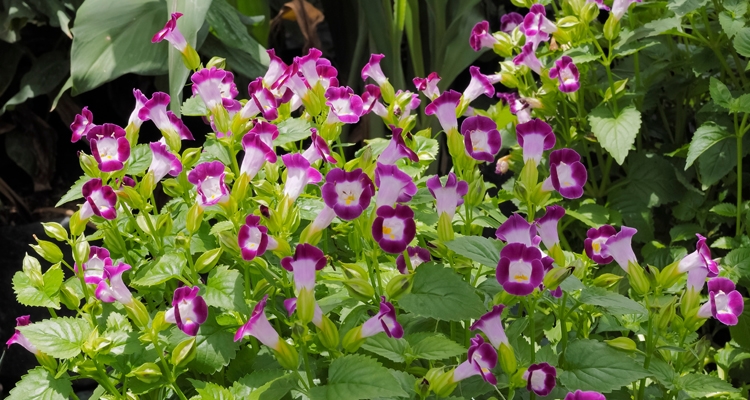
Torenia is a cheerful addition to a shade flower garden and is available in shades of purple, pink, white, yellow and bicolor. The “funny-looking” blooms are also known as “clown flower”. Use torenia in the ground or in containers for flowers all summer long.
Streptocarpus
(Streptocarpus hybrid)
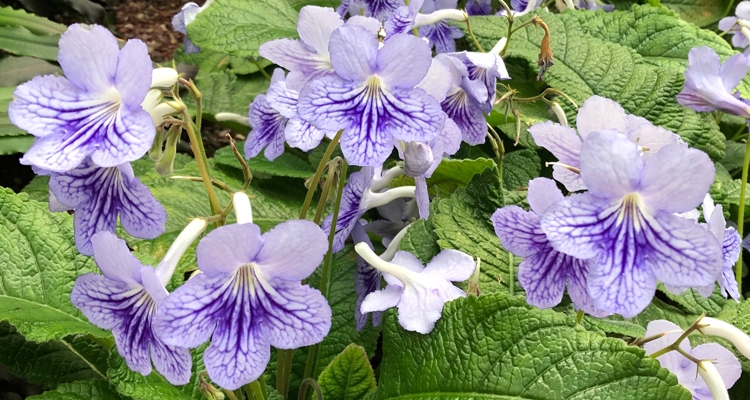
Due to its delicate form and texture, streptocarpus is best placed where it can be easily viewed. In the ground use streptocarpus as a border edging or in the foreground. Potted streptocarpus plants are perfect for placing on a table or the railing of a shady deck, porch or balcony.
Lobelia
(Lobelia erinus)
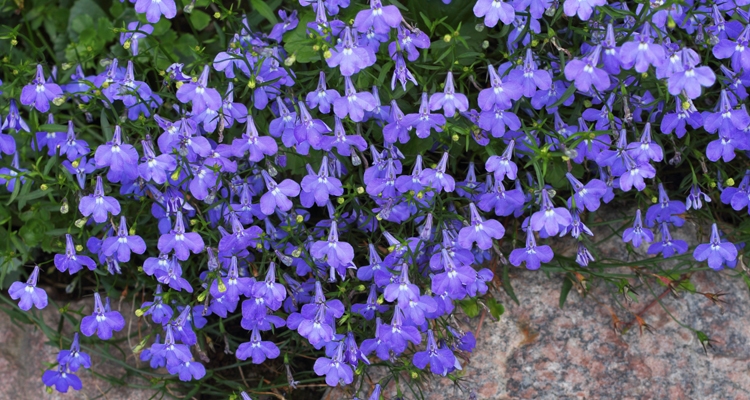
Lobelia is a lush, low-growing shade plant that produces a waterfall of color all summer long. Lobelia is one of the few flowers in nature that offers a true blue shade, but varieties can be found in a range of blue, lavender and white. Use lobelia in pots, hanging baskets and window boxes where the flowers can freely cascade over the rim.
Tuberous Begonia
(Begonia x tuberhybrida)
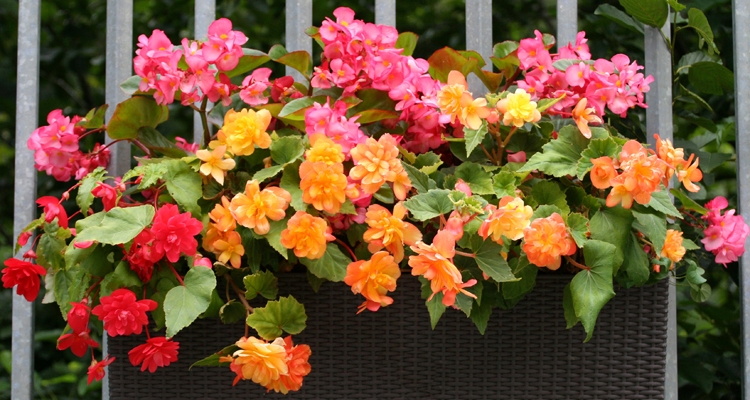
Tuberous begonias produce some of the most colorful flowers of all the begonia species. You can find varieties with flowers in shades of yellow, orange, pink, red and white. Tuberous begonias thrive in containers, making this a good choice for adding vibrant color to a shady porch, deck, patio or balcony.
Brazilian Fireworks
(Porphyrocoma pohliana)
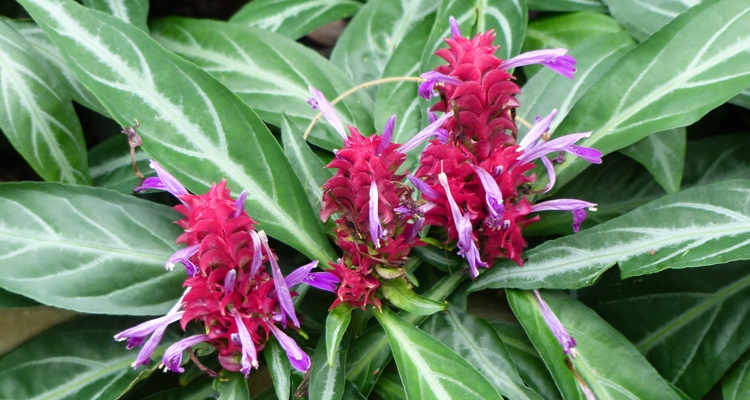
Brazilian fireworks is a colorful shade-loving plant with exotic two-toned flowers and silver-veined leaves. Use it in containers to add an instant tropical vibe to porches, patios or balconies. Brazilian fireworks can also be planted in the ground to create an edging or placed in the foreground of a mixed flower border.
Perennial Flowers for Shade
Perennial flowers bloom at different stages of the growing season so there is always something new to see. Besides introducing fresh flower colors, perennials also create an opportunity to add different leaf textures and plants of varying heights. Perennial flowers can make a shady space interesting from spring through fall.
Bleeding Heart
(Dicentra species)
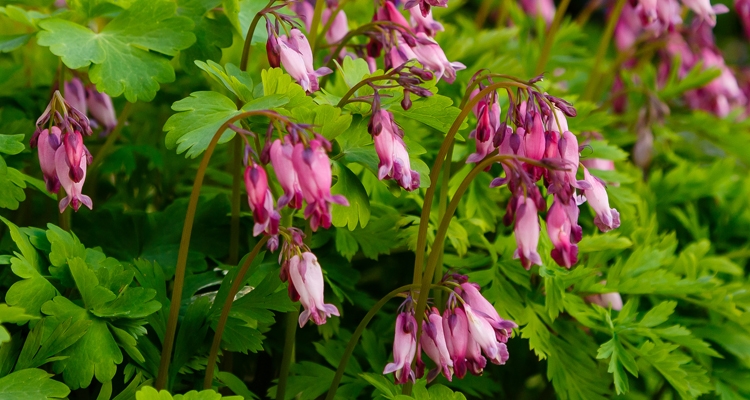
Bleeding heart is a must-have for shady garden areas. It’s one of the first flowers to bloom in the spring and the beautiful, finely cut leaves add a lot of interest to a shade flower garden – even when the plant isn’t in bloom. Dicentra is a good companion for spring-flowering bulbs.
Foamflower
(Tiarella species)
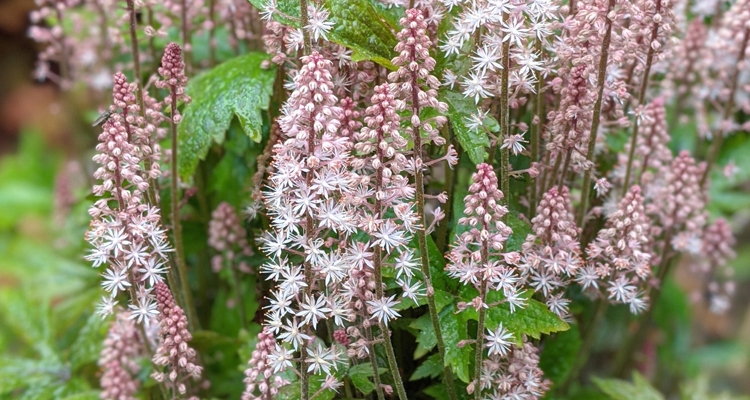
Foamflowers have been growing in popularity because they’re one of the best flowering plants for shade. Whether you choose a native species or one of the latest hybrid introductions, all have beautiful foliage and produce spikes of fluffy flowers in summer that are the basis of its common name, “foamflower”.
Indian Pink
(Spigelia marilandica)
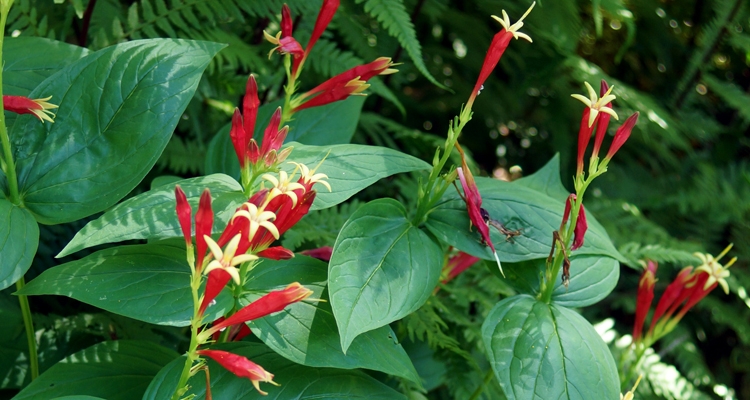
Indian pink is native to many North American woodlands and is quickly becoming appreciated for its ornamental value in shade flower gardens. The tubular red and yellow flowers brighten shady locations and are a favorite of hummingbirds seeking nectar.
Lenten Rose
(Helleborus species)
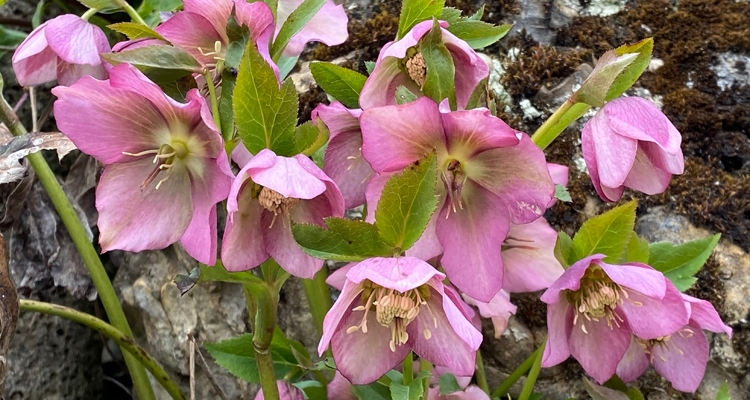
One of the earliest flowering plants for shade, Lenten rose can start blooming during the in winter in many parts of North America. The range of flower colors has been expanding as interest in hellebores grows, and plant hybridizers regularly introduce varieties in new flower colors.
Astilbe
(Astilbe species)

Because astilbes are one of the best flowers for shade, they’ve been a favorite for shade flower gardens for decades. Astilbes are available in a range of bloom colors. Their finely textured flower spikes and leaves look great paired next to the broad leaves of a hosta plant. Astilbes are very adaptable and can be planted in shady flower borders, woodland settings, or in waterside gardens near streams or ponds.
Hosta
(Hosta species)
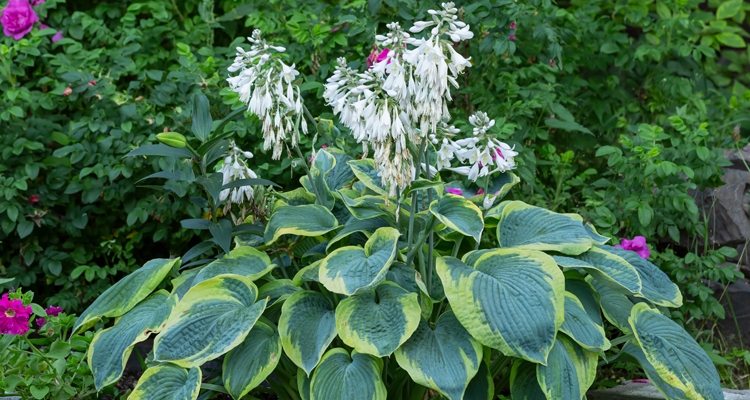
A shade garden wouldn’t be complete without a few hosta plants. There are literally thousands of registered hosta varieties in assorted sizes, foliage colors and leaf shapes. In addition to being a great flowering plant for shade gardens, hostas are also popular for growing in containers on a shady porch, deck, patio or balcony. The tubular flowers are a magnet for hummingbirds!
Goat’s Beard
(Aruncus species)
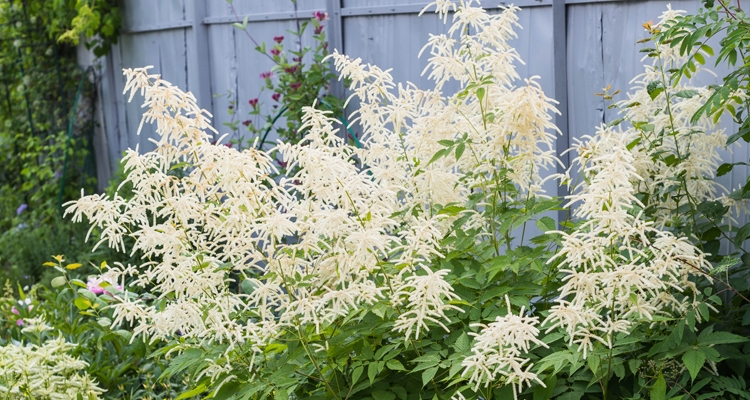
Tall plumes of white flowers make goat’s beard a real standout among flowering plants for shade. Goat’s beard is ideal for planting in the back of a border or simply to add variety in height to a mixed planting. The dwarf version is a charming option for the front of a border.
Sweet Woodruff
(Galium odoratum)
.jpg)
Sweet woodruff likes a shady space where it can spread out a little bit. This is a good choice for a carefree groundcover in a woodland shade garden. Sweet woodruff plants are topped by clusters of tiny white flowers in late spring. The foliage is attractive and adds texture even when the plants are not in bloom. The leaves have a soft, pleasant scent like fresh-cut hay. Plant near shade-loving shrubs with broad leaves, such as Rhododendron, to create an interesting contrast of foliage.
Design Your Shade Garden with Foliage in Mind
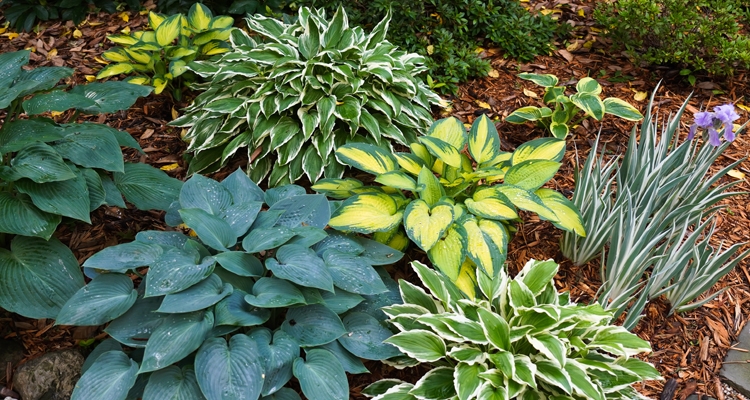
Many plants have leaves that are as attractive as flowers. Add a few Shade Plants with Fabulous Foliage to your shade garden so there is always something interesting happening – even when there are no flowers in bloom.


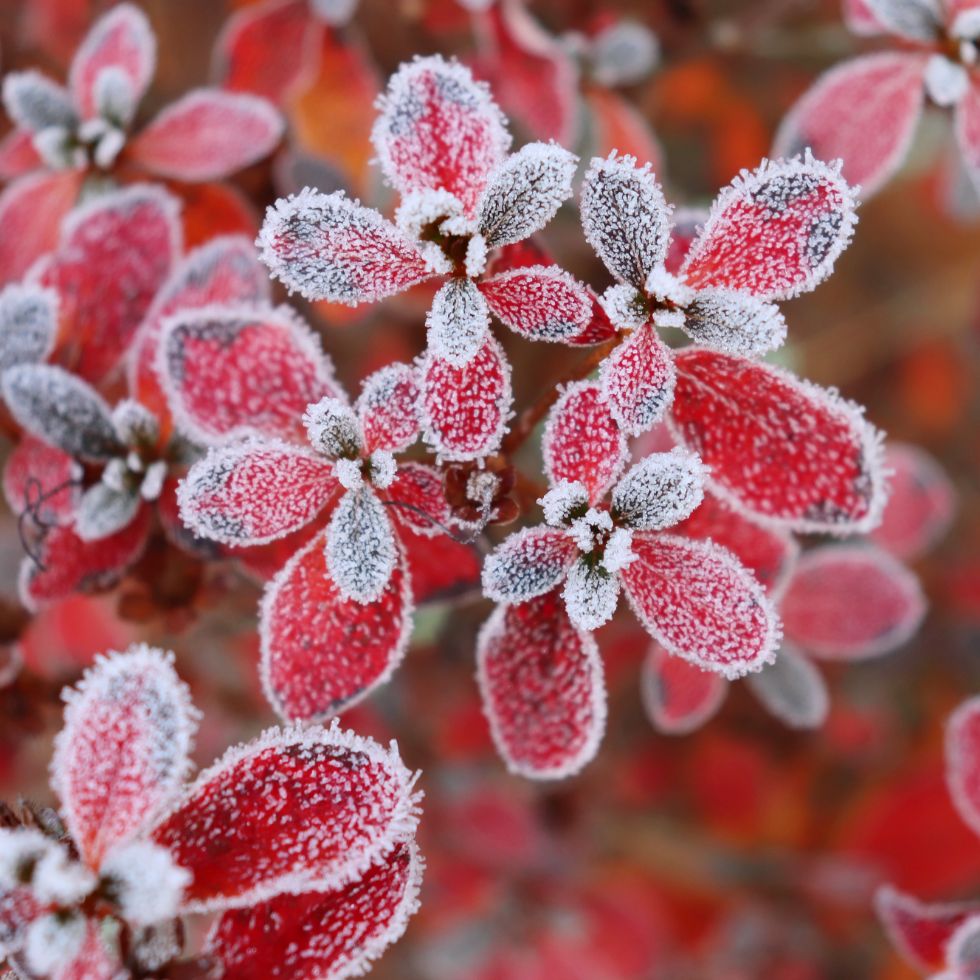

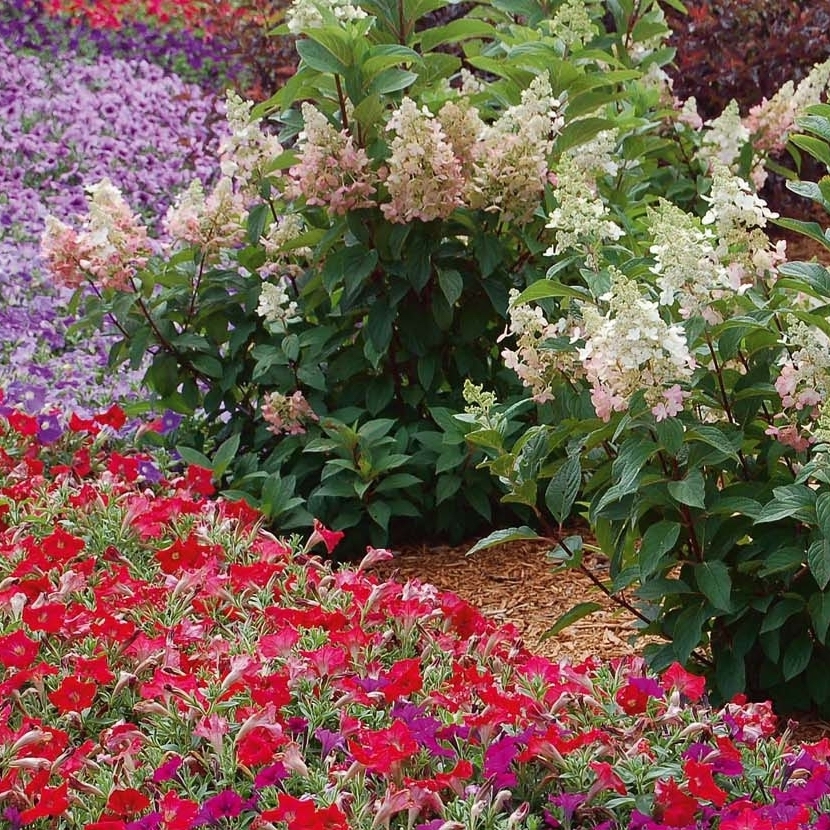

What about a plant that can grow in the shadespecially? The green foliage in a pod that really doesn’t need sun
Hi Christine,
If you’re just looking to add some foliage to your garden space, a recent trend in gardening is the use of tropical foliage plants as annual garden plants. These are plants you might normally grow as houseplants, but you can also grow them as summer annuals outdoors, in the ground or in pots. Some suggestions include, cast-Iron plant (Aspidistra elatior), elephant ears (Alocasia, Calocasia), Philodendron (large or small species depending on your use), and palms such as cat palm (Chamaedorea cataractarum) or parlor palm (Chamaedorea elegans). For color without the fuss of flowers you could grow plants with colorful foliage such as prayer plants (Calathea species), Coleus, Chinese evergreen (Aglaonema species), or variegated inch plant (Tradescantia zebrina).
Keep in mind that these plants grow best when temperatures are above 50°F (4°C), so they truly are just a summer garden plant in regions with freezing winters. However, potted plants could be brought indoors and held over for the winter.
My ground is under big trees and the ground is hard what should I add to make the soil softer
Hi Robbie,
You don’t say whether your site is lawn or open soil. In the case of lawn, the best way to loosen the soil is by aerating the soil – a process of making holes in the ground that allow air and water into the soil and at the same time reducing compaction. Most professional lawn care services offer soil aeration, or you can rent equipment to aerate soil yourself.
If the ground is unplanted, you can incorporate a variety of soil conditioners. If you don’t plan to do any immediate planting, you could apply a couple inches of organic materials such as compost, leaf mulch, bark, manure, or straw once or twice a year and let nature do the work. Repeating application over several years would eventually provide an area of softer soil as the organic materials also provide microbial activity that helps to break down the harder, underlying layer. Planting a cover crop is also a good way to take advantage of plant root activity to naturally loosen heavy soil as well as add organic matter while preventing the establishment of weeds at the same time.
If your intention is to plant as soon as possible, you will need to first soften the hard soil with water and then till in the organic materials. Continuing this process each season will ensure that the soil doesn’t return to a compacted state.
Same problem here! I finally gave up on my soil & now have all my shade plants in containers placed around my shaded yard. I used pavers to section off little garden spots around the yard & filled it with colored mulch & arranged the containers. They’re beautiful & it solved my soil nightmare!
An excellent idea Kathy! Thank you so much for sharing a solution to the problem of hard soil that could apply to shade or sun!
I love ❤️ the smell of Lavender but every year I purchase a Lavender Plant. However I don’t have 6 hours of Sun On Our Balcony or Back Porch.
Amy Suggestions.
Thanks Ivy
Hi Lillian,
Potted lavender plants have become very popular for growing as seasonal flowering plants to be enjoyed just as you might enjoy a cut flower bouquet or a Christmas poinsettia. Many people appreciate the fragrance and beauty a lavender plant brings to a room, but grow it with the knowledge that the plant may only be in its prime for a few months. Eventually, depending on availability, you could replace the plant or discard it.
Without adequate light it’s unlikely you’ll have success maintaining a lavender plant long-term. Supplemental lighting could be an option for growing potted lavender indoors, but it could mean lighting the plants for as much as ten hours a day just to provide the equivalent of six hours of natural sunlight. At some point you could make a decision to simply harvest your lavender plant and dry the flower stems and foliage to create a potpourri or sachet. We have tips on preserving flowers in our article Drying, Pressing and Preserving Flowers.
What about ferns growing in shade garden?
Hi Bawa,
Ferns are a great choice for a shade garden! Ferns add interesting texture and taller varieties make a nice backdrop to colorful flowering annuals and perennials.
Great article. Are there any plants that discourage mosquitoes that thrive in full shade? I
Hi Sean,
With mosquito season upon us, that’s a good question. You can check out a list of plants that repel mosquitos in our article 15 Plants that Safely Repel Mosquitos. Most of the plants in the list prefer sun but you might have luck with Artemisia, catnip, or lemon balm which all tend to tolerate a variety of light conditions (although the less light, the less vigorous their growth will be).
Also, you might think about ways you can attract dragonflies. Dragonflies are a natural predator of mosquitos and can consume as many as 100 adults or larvae each day. Hostas are a perfect plant for shady spaces, and dragonflies are attracted to the tall flower stalks. You’ll find that they like to perch on the tops of the hosta flower stems stalking prey. You could also add a birdbath to provide a small water source that dragonflies can enjoy – just be mindful to change the water frequently since unattended bird baths can become a perfect location for mosquitos to lay eggs.
I have planted begonias in full sun with great results
Hi Charlene,
Begonias are certainly among the most beautiful and versatile plants for the garden. The wax begonias are particularly well-suited for sunny locations. Thanks for sharing your experience with begonias!
How about a shade loving plant that is deer resistant ?
Hi Deborah,
Deer tend to ignore the following shade-loving plants:
Astilbe, Japanese Painted Fern, Lenten Rose, Lungwort, Pachysandra, and Epimedium.
You’ve asked a great question so we’ve put this on our list to create a future article expanding on the options for deer-resistant plants for shade. Thank you!