

Gardening can be an expensive hobby, but it doesn’t have to be. There are plenty of ways to create a thriving outdoor space without breaking the bank.
Today, we’re sharing some of our favorite cost-cutting tips for gardening on a budget. Use these ideas for saving money on plants, soil, water, and materials.
Grow Plants from Seeds
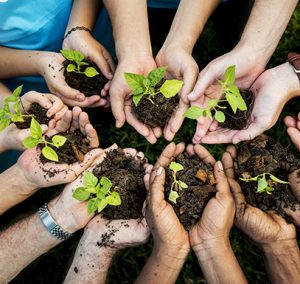
Compared to full-grown plants or seedlings, seeds cost next to nothing. Plus, there’s a special satisfaction gained from convincing a seed to sprout and guiding it to maturity.
Seeds are cheap, but they can also be entirely free. You can acquire free seeds by collecting them from your own garden or exchanging seeds with friends and family.

To gather seeds from your flowers or vegetables, choose healthy, mature plants and work on a dry, sunny day. Look for plants that have gone through their entire growth cycle. The seed harvesting process differs from species to species, so do some additional research for each type of flower or veggie that you’d like to collect seeds from.
Store your seeds in a cool, dry place. Be sure to label them clearly!
Once your seeds are safely stored away, consider joining local plant swaps or seed exchanges. If you can’t find any, set up a seed exchange with your friends, family members, or neighbors who enjoy gardening. This is a great way for everyone to share their favorite varieties and expand their collections at no cost. Each participant can contribute a few packets of their favorite flower or veggie seeds and collect a few new varieties from the group.
Save Money on Gardening Tools
Save money on tools by buying second-hand items. Sources for used tools include:
- Thrift stores
- Flea markets and garage sales
- Online marketplaces like Craigslist, Facebook Marketplace, and eBay
Sometimes, it’s better to borrow than to buy. If you’re lucky enough to be in an area with generous community resources, take advantage of the opportunity to join a local gardening group. Then, you’ll enjoy an expanded network for sharing tools and supplies.

Another option is renting. You may be able to rent some tools from your local garden center or hardware store. This is cost-effective for items like rototillers that you may only need to use once or once per season.
You can also get by with fewer materials by employing multi-use tools or repurposing items you already own. For example, all-in-one pruners can be employed for both needle-nose snipping and shear pruning. Or, unneeded kitchen and desk items may prove handy. For example, use an old pair of rubber gloves for protecting your hands, a ruler for measuring seed spacing, and an old wooden spoon for mixing soil.
Finally, while you hunt for bargains, make sure that savings don’t come at the expense of quality. It’s worth investing in a few high-end buy-it-for-life (BIFL) tools that will last for many years.
Save Money on Soil: Composting and Mulching
Providing your plants with nutrient-rich soil doesn’t have to cost a fortune. Composting and mulching are two great options for creating and preserving healthy soil without spending much money.
Composting
Composting turns kitchen scraps and yard waste into useful soil. It’s easy to set up a compost bin in your backyard or even in a tight space like a balcony or porch. All it takes is some browns (leaves, shredded paper, wood chips), some greens (food scraps, coffee grounds, grass clippings), and some patience. For an even simpler approach, try out our tips for direct composting in a hole in the ground.

Composting may seem complicated at first, but it’s actually quite simple. As long as you add a mix of browns and greens and stir your pile regularly, the material will break down and produce nutrient-rich soil that you can add to your growing media. All the while, you’ll be reducing your household food waste.
If you aren’t composting at home, look for community programs that collect compostable material. You may be able to put raw materials in and take a finished product out. Community composting programs, universities, or local government agencies are all potential sources for free access to compost or recycled soil.
Mulching
Adding a layer of mulch to a garden bed adds aesthetic value, blocks weed growth, and helps preserve soil moisture. It also helps maintain a consistent temperature around the root systems of plants and prevents erosion from heavy rains or winds.
If you pay for the material and labor, mulching can be pricy. Or, you can shop around for bulk sources of wood chips or other mulching options like straw. These materials are often sold at very low prices or even given away for free when they’re produced as a waste product.

Be Frugal when Watering Plants
If you’re frugal and creative, you can keep your plants watered with minimal expense.
A rainwater barrel is a terrific way to make the most of a natural resource. Or, if you want to take things up a notch, consider installing a greywater system that captures used household water for reuse.

Looking for simpler ideas? There are countless opportunities around the home for reducing water consumption or using the same water twice. For example, don’t dump your pasta water down the sink—pour it into a watering can. Or, capture some water while you wait for your shower to heat up.
Natural Pest Control, Weed Control, and Disease Prevention
Organic pest control is another great way to help your plants stay healthy and happy without spending too much money.
Rather than relying on expensive chemical treatments, you may be able to address some pest problems by introducing beneficial insects like ladybugs.

As for weeds and diseases, you can bolster your plants’ defenses affordably by using homemade compost and second-hand mulch. If you need fertilizers, use slow-release options that provide cost efficiency by supplying plants with nutrients over an extended time period.
Another important task for any cost-conscious gardener is pruning, i.e. removing dead or overgrown parts of plants. Pruning reduces overcrowding, improves sunlight penetration, and helps plants redirect their energy toward new growth. Pruning leads to more vibrant growth year after year, so you can get more enjoyment from the plants you already own and spend less money on new ones.
Build Your Own Raised Beds or Cold Frames
Without spending much money, you can construct attractive and functional garden structures like raised beds or cold frames.
You don’t need beautiful lumber to build fantastic garden features. Scrap wood will do just fine. You can find decent scrap wood for cheap or free from hardware stores or Craigslist.

Used pallets are another source of free wood that lots of small businesses give away for free. Just be sure to inspect used wood for pests and other hazards like exposed nails before you take it home.
With scrap wood and a few basic woodworking tools, you can build fantastic, raised beds and planters for cheap.
Upcycle Everyday Items
By repurposing everyday materials, you can create unique arrangements that bring charm to your outdoor space. You don’t have to be an artist or an expert crafter—with just a few basic tools and some creative energy you’ll be sprucing up your garden in no time.
The easiest upcycling opportunities involve using old items as pots or planters. For example, small glass jars can be used for growing succulents. Or, you can make larger planters out of old plastic containers. You can even get creative and use unusual items like old boots as flower pots or old tires as raised beds. Just make sure that the items you use are sturdy, pest-free, and non-toxic.

Old furniture may also have a second home in your garden. Turn a discarded chair into a potting bench or an old dresser drawer into an herb planter box.

Bonus tip: Grow perennials for beautiful plants that grow year after year! Learn more about growing and caring for perennial plants in our guide, All About Growing Perennial Plants.
If you have more ideas for creating a gorgeous garden while spending a minimal amount of money, we would love to hear from you! Share your best cost-cutting gardening tips in the comments below.



0 Comments