

By Kelly Miller
Seasonal pruning is an excellent way to help keep shrubs beautiful and healthy! Along with learning how to prune, gardeners must also know the best time to prune flowering shrubs. Knowing when to prune flowering shrubs is especially important because if you prune your shrubs at the wrong time of year, you may accidentally remove the flower buds for that season.
Occasionally pruning flowering shrubs redirects growth towards the remaining branches and encourages lush growth and lots of vibrant blooms. Pruning also prevents overgrowth, can help maintain an attractive, balanced shape, and its a way to remove dead or weak branches. However, pruning too aggressively or during the wrong time of year may also result in weakened blooms, unsightly stumps, or vulnerability to disease and weather.
Most shrubs don’t require any pruning during their first few years. After that, pruning may be appropriate once per year. Depending on the species and the size you want to maintain your shrub, pruning frequency may vary. The best time of year to prune is typically during late winter or spring.
When to Prune Shrubs: Shrubs that Flower on Old Wood vs. Shrubs that Flower on New Wood
Knowing when to prune flowering shrubs is a little trickier than pruning evergreen shrubs because the timing all hinges on when flower buds develop on the branches. Flowering shrubs set buds and bloom on either “old wood” or “new wood.”
Flower Buds Develop on Old Wood
A shrub that blooms on old wood generates flower buds for the following year at the end of the current year’s bloom season. The new buds linger on the old branches ready to open the following spring. Then, they bloom on the old wood that has been on the shrub for nine months or more.
Shrubs that flower on old wood usually bloom earlier in the spring. The best time to prune these shrubs is shortly after they bloom, as soon as flowering is done for the season. Pruning at any time between summer and early the following spring could remove flower buds that won’t be replaced for another year.

Flower Buds Develop on New Wood
A shrub that blooms on new wood generates buds in early spring that will bloom later in the same season. The buds only exist for a few months before they start to flower.
Shrubs that flower on new wood (summer-flowering shrubs) tend to bloom later in the spring or summer. These shrubs may be pruned in fall, late winter, or early spring without affecting the coming year’s buds. However, pruning in winter may leave the shrub vulnerable to cold-weather damage. Heavy pruning in summer may have the same effect by stimulating growth too late in the year.

Here are the Best Times to Prune Flowering Shrubs
When to Prune Crepe Myrtle (Lagerstroemia indica)
Crepe myrtle flowers on new wood. Prune in late winter, while the leafless branches are easy to see and cut. Pruning should occur before new spring growth begins. The best months for pruning are late February and early March. Pruning Crepe myrtle in fall is usually not a good idea, as extra growth can help protect the shrub against winter weather.
Note that over-pruning (known as “Crepe murder”) is common for these popular shrubs. Crepe myrtle is often cut back aggressively, leaving behind battered stumps that struggle to recover healthy growth. Plan ahead and exercise restraint to avoid over-pruning.

When to Prune Bigleaf Hydrangea (Hydrangea macrophylla)
Most bigleaf hydrangea varieties flower on old wood and don’t require heavy pruning. Flower buds form in August or September and bloom in May or June. Prune these late bloomers in late spring or summer, after the end of the flowering season. Prune in late winter or early spring only to remove dead branches.

When to Prune Panicle Hydrangea (Hydrangea paniculata)
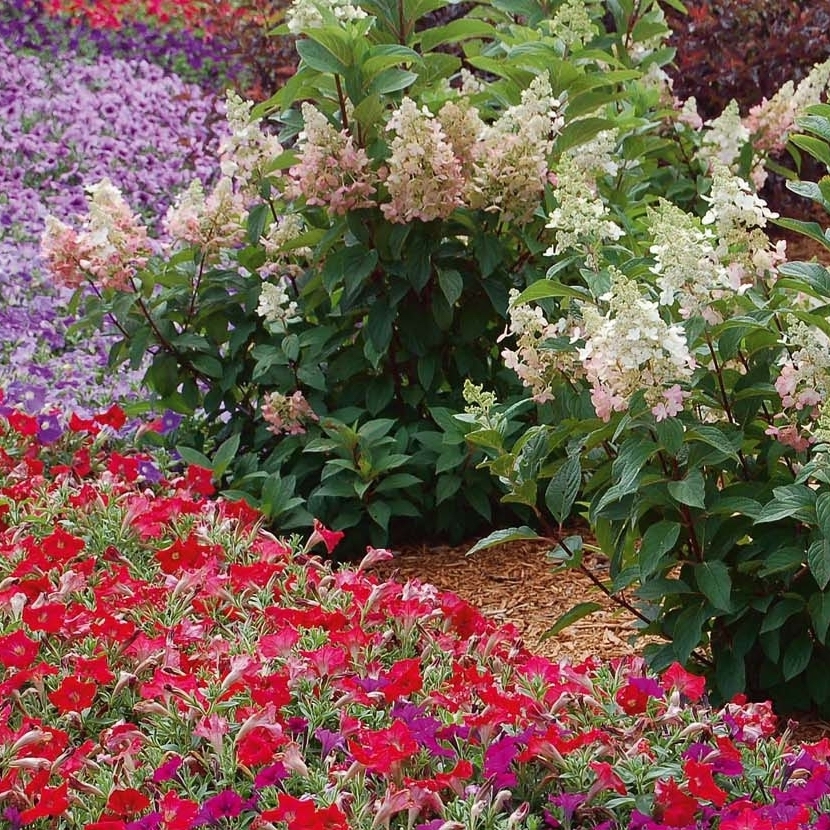
The panicle types of hydrangea set their buds on new wood. Some varieties grow quite large and benefit from trimming to maintain tidy shapes. Prune in late winter or early spring. In warmer climates, summer pruning can help promote fall blooms. These shrubs are tolerant of heavy pruning.

When to Prune Lilac (Syringa vulgaris)
Lilacs bloom on old wood. Prune lilac shrubs promptly after flowering ends in the spring. Prune for the first time when the shrub has reached around six feet (1.8 meters) in height.

When to Prune Forsythia (Forsythia hybrids)
Forsythia flowers on old wood. Prune forsythia plants soon after their spring blooms have ended. To maximize next year’s flowering, don’t prune after mid-summer. However, if the plant is too large, you can prune in late summer or fall to reduce its size and growth.

When to Prune Rhododendrons and Azaleas (Rhododendron hybrids)
Rhododendrons and azaleas flower on old wood. The main blooming months are May and June. Prune rhododendrons and azaleas at the end of this period, before the following year’s buds set in late summer.

When to Prune Camellia (Camellia species)
Camellia flowers on new wood. Prune in late spring or early summer, just after the last flowers drop.

When to Prune Gardenia (Gardenia jasminoides)
Gardenia flowers on old wood. Prune at the end of the blooming season, in late spring or early summer. Note that there are over 200 varieties of gardenia, with varying traits and needs, but the most common for home landscaping is the Gardenia jasminoides species.

When to Prune Japanese Spirea (Spirea japonica)
Japanese spirea flowers on new wood. Prune in late winter or early spring, before new growth begins. Note that other types of Spirea, such as bridal wreath, flower on old wood and should be pruned later in the year.

When to Prune Butterfly Bush (Buddleia davidii)
Butterfly bush flowers on new wood. Prune in late winter or early spring, after the emergence of new green buds on the stems.
In mild climates, pruning can also occur in the fall. However, in areas with harsh winters, butterfly bush shouldn’t be pruned in the fall or early winter. Doing so may expose the shrub to frost damage.

When to Prune Viburnum (Viburnum species)
Viburnum flowers on old wood and typically requires minimal or no pruning. Prune after the shrub blooms, and flowering is completed, or prune lightly in early spring to remove dead or damaged material.

When to Prune Dogwood (Shrub Types)
Dogwood shrubs flower on old wood. Prune after the shrub blooms in spring, before new buds have set. Light pruning in fall or winter may also be appropriate for the removal of dead branches. Note that most dogwoods only require pruning every other year and don’t need to be pruned during their first three or four years of life.

When to Prune Ninebark (Physocarpus opulifolius)
Ninebark flowers on old wood. Prune ninebark in late winter or early spring, before it leafs out. Additional pruning and deadheading may be helpful after blooming to maintain a desired shape, since ninebark grows rapidly.

When to Prune Weigela (Weigela florida)
Weigela is a reblooming shrub that flowers on both old and new wood. Prune in late winter to remove dead material. Some late spring and early summer pruning can help encourage continuous blooming, but it’s best to stop pruning by mid-July to protect next year’s growth.

When to Prune Rose of Sharon (Hibiscus syriacus)
Rose of Sharon flowers on new wood and is often one of the last plants in a garden to produce leaves. This shrub is fairly self-sufficient and doesn’t require annual pruning in order to bloom. However, pruning can help maintain a tidy appearance and promote more impressive flowering.
Prune in springtime, before leaves appear. Don’t prune in summer. Doing so may stimulate new growth too late in the year, potentially resulting in winter damage.

When to Prune Glossy Abelia (Abelia x grandiflora)
Abelia flowers on new wood. Prune in late winter or early spring, before new growth begins.
Abelias don’t require significant pruning. Prune lightly to remove dead material, maintain a tidy shape, and rejuvenate growth.

Well-Timed Pruning for Healthy Shrubs
Pruning during the right time of year helps shrubs thrive. However, it’s important to remember that pruning isn’t necessary for keeping a plant alive. So, it’s better to prune lightly than to over-prune and risk damage. On the other hand, you can prune any time you need to if there’s a good reason to do so, such as diseased or broken branches.
Sometimes shrubs outgrow their location and may need significant pruning. If your goal is to simply reduce the overall size of a flowering shrub and you don’t mind compromising the number of flowers for one season, then you’ll want to prune in the winter when the branches are free of foliage. You’ll have the best access for cutting the branches and better visibility when working on the shape of the shrub.

Want to keep things simple? Check out our recommendations for shrubs that require minimal pruning.




0 Comments