

DIY pallet raised garden beds are an easy, cost-effective way to build raised garden beds that are practical and aesthetically pleasing. Pallets can be found either inexpensively or free from local businesses or online marketplaces and require minimal effort when it comes to assembly.
Benefits of DIY Pallet Raised Garden Beds
There are many benefits to gardening in raised garden beds. They can be made tall for easy access by anyone who may have trouble reaching plants at ground level, they provide good drainage for your plants, and they’re an attractive way to contain your garden.
DIY pallet raised garden beds are a great way to save money on your garden setup. Pallets can be found for free or very cheaply at hardware stores, lumber yards, and other locations. This makes them an affordable option compared to buying pre-made raised bed kits which can be quite expensive.
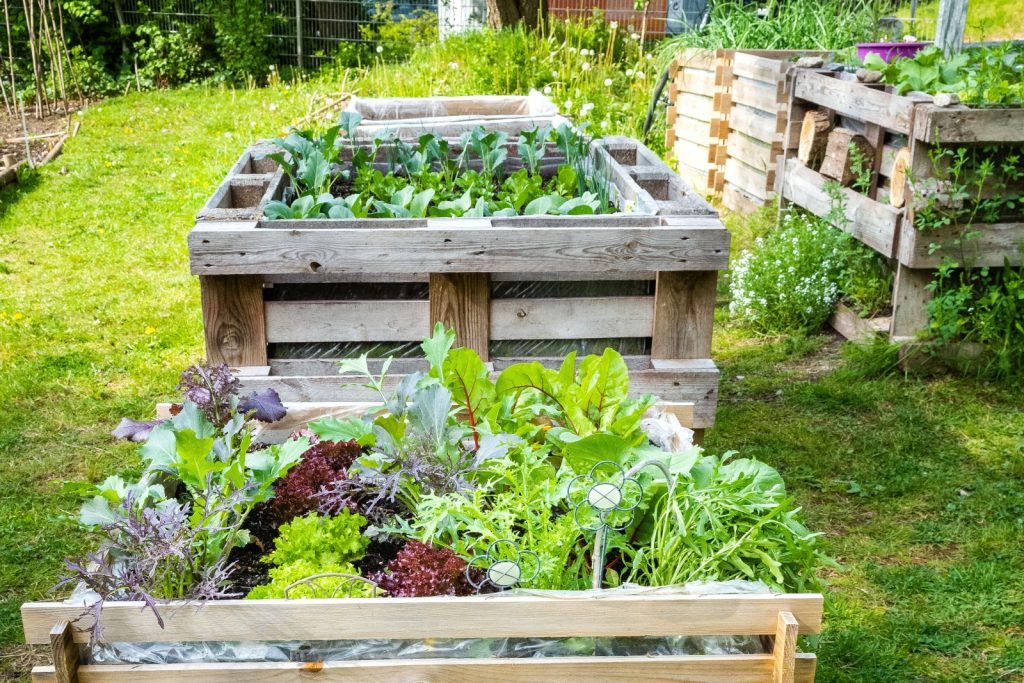
When building your own raised garden beds with pallet wood, you have the freedom to customize their size and shape according to your needs and preferences. Plus, if you want to make any changes down the line, they’re easy enough to modify or expand upon as needed without having to start from scratch again like with pre-made kits.
Another advantage of using DIY pallet raised garden beds is their versatility; they’re perfect for growing all kinds of plants. Whether you prefer flowers or edibles, short plants or tall ones, sun loving varieties or shade dwellers – whatever type of gardener you are, you can create a structure that fits your needs.

Because they come apart easily, raised garden beds constructed from pallets are relatively simple to deconstruct in case you ever need to change the location. You can reuse the same pallets year after year with minimal maintenance costs involved as long as they remain in good condition.
Materials Needed for DIY Pallet Raised Garden Beds
Pallets are a key component of pallet raised garden beds. These are available in a variety of sizes, shapes, and materials that can be used to construct the frame your raised beds.
Select pallets that are untreated or made from non-toxic materials so they don’t leach chemicals into the soil or plants.

To ensure durability, look for pallets with thick boards and sturdy construction.
Tools and hardware for building a DIY pallet raised garden bed include items like saws, hammers, nails, screws, drill bits, wrenches etc., depending on how complex you want your project to be.

Consider using rust-resistant fasteners such as galvanized steel screws which won’t corrode over time due to moisture exposure from watering plants regularly in your garden bed.
Steps to Building DIY Pallet Raised Garden Beds
Step 1: Planning
Before buying or collecting the materials for your DIY garden bed, make a clear plan that includes measurements and materials.
The height and dimensions of your raised garden bed depends on your own needs, aesthetic preferences, and the type of plants you wish to plant in the raised beds. Depending on the size you want, you may have to cut down your pallets.

Step 2: Preparing the Pallets
The first step to building DIY pallet raised garden beds is preparing the pallets.
This includes ensuring that the pallets are in good condition, with no broken boards or nails sticking out. Check for signs of mold or mildew as well.

To clean the pallets, use a wire brush and some warm soapy water to scrub off any dirt and debris from each board. Let the pallets dry completely before starting to assemble your raised garden beds.
Once the pallets are clean and dry, they can be stained or painted before assembly.

Step 3: Assembling the Raised Bed Frame
Start by arranging two of your pallets on their sides, parallel to each other. Then place another two cleaned pallets perpendicular on top of these side-by-side pieces.
Secure them together using screws or nails at least three inches apart, creating an open box shape when viewed from above. Use additional screws or nails along all four edges of this top layer to make sure everything is firmly secured together into one sturdy structure.

If you plan to paint your structure and haven’t done so already, you’ll want to do it now, before lining the box or adding soil.
Step 4: Lining the Frame Interior
Some wood pallets have sides with fairly tightly spaced boards, but many pallets have sizable gaps between the wood slats. If this is the case with your pallets, you’ll want to line the inside with landscape fabric or heavy plastic to keep the soil contained. Line only the sides, not the bottom, so that water can drain freely beneath the planter.
Use a staple gun or tack nails to secure landscape fabric to the interior sides. Cover from the bottom of the pallet up to around two inches from the top of the pallet. You can also wrap the fabric over the top and staple it along the outside edge of the pallets if aesthetics isn’t an issue.

Step 5: Adding Soil
If you have it available, begin by adding a layer of compost material such as leaves, grass clippings, branches, or manure directly onto the bottom surface area inside your newly constructed bed frame. This will help improve drainage while providing essential nutrients for plant growth over time. Layer a quality garden soil over that, or if you don’t have compost material available, just fill your pallet raised garden bed with garden soil.

You can fill the box with soil up to about 2” from the top edge. You want to leave enough room that when you water soil isn’t getting pushed over the edge of the planter. You also may want to leave extra a few extra inches if you plan to periodically apply compost to nourish your plants – especially true when growing vegetables.
Step 5: Planting
DIY pallet raised garden beds can be used for about any type of plant, provided they are suited to your local climate and USDA zone. Make sure that the soil you choose is appropriate for the for the plants you’ll be growing. A soil calculator can help you determine how much soil you need for your pallet garden bed.
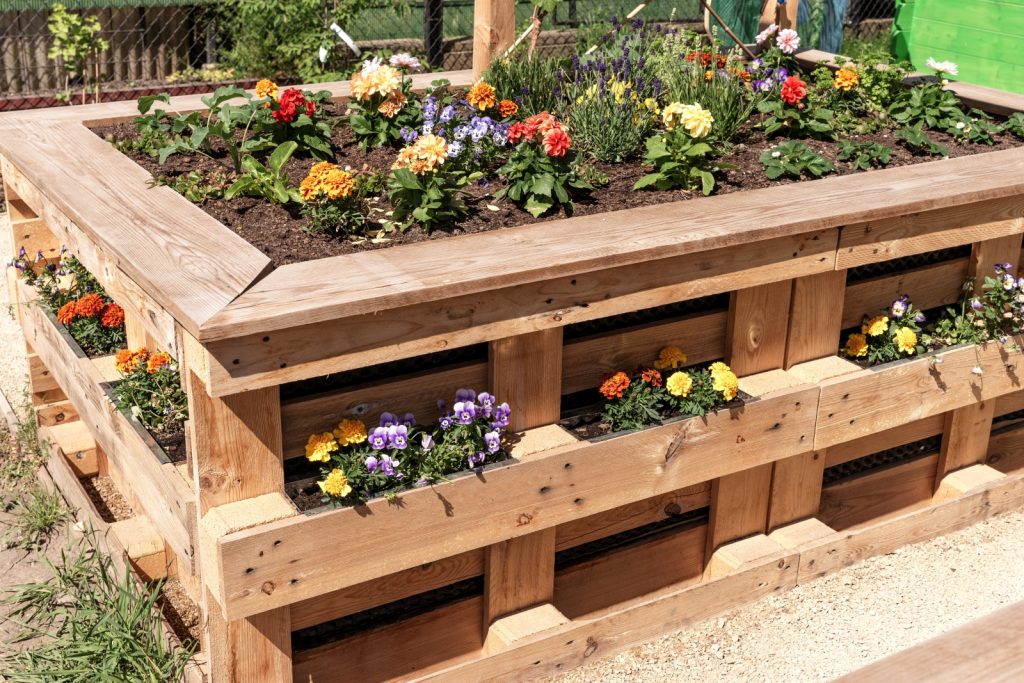
Be sure to read the tag when shopping for plants or seed – or look up your plants in our extensive Plant Library that includes planting guidelines as well as detailed care instructions.
For best results, ensure there is enough room between plants, so they have plenty of air circulation which helps promote healthy growth during warmer months ahead.
For more tips read our article, How to be Successful with Raised Garden Beds.





0 Comments