

By Kelly Miller
“Rewilding” refers to guiding a damaged ecosystem back toward a healthier, more natural condition.
Rewilding may start with human interventions, such as removing invasive species and reintroducing native plants. However, the end goal is to reduce human influence on the environment. A successfully rewilded landscape is rich in natural processes, with pollinator/plant relationships supporting rich, complex food webs.
The term “rewilding” usually refers to large-scale restoration projects. However, in recent years, the native plant movement has gotten more small landowners thinking about rewilding, too.
In a lawn or garden, rewilding typically involves replacing turf grass with native plants. Even in these small settings, restorative landscaping creates beautiful, lively wildlife havens. When more and more property owners join in, the impacts add up. These benefits include water conservation, reduced chemical pollution, and boosted pollinator populations.
Rewilding is a big goal, and a worthy one. Here are a few tips and resources for helping you develop a winning rewilding strategy for your home landscape.

Plan for the Long-Term
Rewilding is a major transformation, and it takes time. Recommended first steps include:
- Research your region’s native plants and choose species that align with your goals.
- Examine or test your soil to make sure it’s suitable for your plantings; if necessary, make a plan for amending the soil.
- Create a site map for your rewilded space and a schedule for replacing the existing groundcover.
Before establishing native plant groundcover, it’s important to thoroughly eliminate the existing turf grass or weeds. This is usually done via “soil tarping,” which involves mowing the ground short, then covering it with a tarp or plastic sheet in order to kill the vegetation.
Tarping and replanting require planning and patience. It’s important to fully wipe out the existing vegetation, then swiftly replace it with the desired plants before new weed growth takes over.

For step-by-step tips on site prep and establishing native plants, check out our guide on establishing mini meadows, or these tarping guides from South Dakota State University or the University of Minnesota.
Find Model Landscapes and Connect with the Native Gardening Community
There’s no one-size-fits-all system for rewilding, because every setting is unique. To develop a game plan for your property, the best way to get started is to find model landscapes and connect with like-minded gardeners. Even small urban spaces can be reworked to include plants more suitable to native wildlife.

Keep an eye out for amazing wildlife-friendly home landscapes in your area. Often, these homeowners are passionate about their accomplishments and happy to share tips.
For expert advice, contact your local extension office. These university-connected offices are usually eager to provide resources and advice on growing native plants.
Another great source of tips and community is Wild Ones, a non-profit that “promotes native landscapes through education, advocacy and collaborative action.” Wild Ones has nearly 100 local chapters around the US. They also provide native garden templates (with native species lists) for various regions.
Grow Local Natives and Keystone Plants
When deciding which native plants to grow, zone in on your local region. Many plants are described as “native” because they come from our continent, but they might not be ideal for your area. To find the best species for your region, seek out recommendations that focus on your state or county. Along with the links provided above, visit this native plant database inventory to get started.

While deciding what to grow, consider the importance of keystone plants. These are species that play oversized roles in supporting local food chains, providing critical food and habitat for wildlife. Oaks, maples, sunflowers, and milkweed are examples of keystone plants that can anchor a rewilding plan.
Think Beyond Plants
Establishing native plants is the core activity in a rewilding project. However, there are many additional ways to bring out the best of your piece of land.
A rewilded landscape may include:
A small pond, especially one that caters to local amphibian species.

A brush pile that provides shelter, habitat, and food for wildlife.

Bird houses and bee houses.

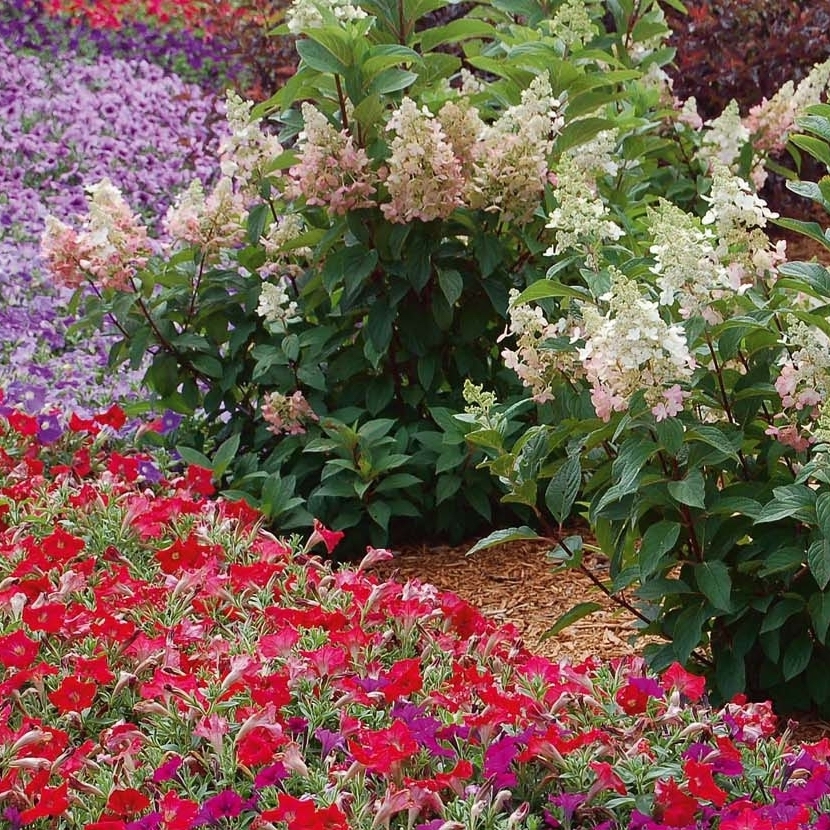
A simple garden path can help bring a sense of order as well as an invitation to explore rewilded spaces.

Welcome the Wildlife
While getting started with rewilding, some gardeners (and their neighbors) worry about pests. For example, will a yard full of native plants attract mosquitoes, mice, and other unpopular critters?
The answer to this question is partly a matter of perspective. After all, the goal of rewilding is to restore natural conditions and attract wildlife. Plus, a thriving rewilded garden supports entire food webs, with both prey and predators. These relationships keep pest populations in check. In fact, many invasive insects prefer turf grass lawns. In these unnatural settings, they can easily outcompete native species, and few predators are found.

Nevertheless, rewilding does have the potential to attract problematic wildlife. Or, even non-pest wildlife may be considered problematic by worried neighbors or picky homeowner’s associations. Thus, it’s important to be proactive: keep an eye on pest populations and promptly address concerns that arise. A bit of goodwill might be all it takes to turn your lawn into another model landscape that inspires others to make their own wildlife-friendly changes.

For Best Results: Add Water!
Along with a diverse set of native plants, a water feature is one of the best resources you can provide for local wildlife. Learn more in our step-by-step guide: How to Build a Backyard Wildlife Pond.


0 Comments