How to Create a Colorful Cottage Garden

A German cottage with a lush and colorful cottage garden.
My Garden Life
July 29, 2024
Table of Contents

By Kelly Miller

In recent years, there’s been increasing interest in cottage garden design. That’s partly in thanks to “cottagecore,” an aesthetic trend that developed in the 2010s. Cottagecore embraces rural imagery and idealizes traditional activities like gardening, baking, and embroidery.

Cottagecore is a fairly new concept, but the garden style known as “cottage” dates back to the late 1800s in England. At that time, many gardeners began embracing a dense, less structured aesthetic. This was a response to the manicured straight lines that were traditionally favored in fancy British gardens.

A cottage garden is a great way to create a cozy, colorful oasis, even when space is limited. This type of garden can also produce food while supporting pollinators and wildlife.

Let’s cover all you need to know to get started on planning a cottage garden. Below, we’ll discuss design basics and recommend specific plants and features that fit this style.

A stone cottage surrounding by trees and colorful cottage garden flowers.

What Is a Cottage Garden?

In the 1800s, the idealized garden style in England was the Victorian garden, which focused on straight lines, symmetry, and precision. The cottage garden evolved as a more relaxed alternative that embraced layers, curves, and an informal aesthetic.

The cottage garden style is marked by crowded plantings and the use of traditional materials, such as cobblestone paths or wooden rocking chairs. The layout may appear unplanned, as if the land naturally grew into a lush, cozy, garden.

The cottage garden style originated with working-class folks who were primarily focused on growing food. Today, this style often includes more flowers and ornamental plants. Ideally, both food plants and ornamentals are present.

While some gardeners go all-in, you can also mix and match elements of cottage gardens with other styles. Or, a small portion of a yard, such as a sitting area, can be converted into a mini cottage garden. The style is flexible and leaves room for adaptation, artistry, and personal touches.

An English cottage surrounded by a lush cottage garden located in Oxfordshire.

Flower Selection for a Cozy and Welcoming Cottage Garden

A cottage garden should contain plants of varying heights to create layers and fullness. An abundance of greenery at waist height helps the garden feel dense and cozy. Different types of plants should be included, with an emphasis on colorful blooms.

Cottage garden flowers should be durable varieties that can thrive and look nice without much space. The style calls for a variety of flowers and other plants situated close together. Therefore, tall, full growth is generally better than short or slender habits. However, you can include any flower you like as long as the layout provides the necessary growing conditions. 

The particular flowers associated with cottage gardens are mainly popular heirlooms associated with British gardening. These include:

English Rose (Rosa hybrid)

English Rose (Rosa hybrid)

English roses are the result of efforts to combine the fragrance of Old-World roses with the hardiness, vigor, and repeat blooming that is typical of modern rose hybrids. The lush, densely-petaled flowers add elegance to cut arrangements and fill the air with their intoxicating scent. A classic favorite for planting in a foundation, border, or in a cottage garden.
Everlasting Sweet Pea, Perennial Pea (Lathyrus latifolius)

Everlasting Sweet Pea, Perennial Pea (Lathyrus latifolius)

Fragrant, pea-type flowers bloom from mid-to-late summer. Winged stems produce soft foliage that clings effortlessly with many tendrils. For a truly cottage look let it ramble amongst your roses. Beautiful trained to fences, posts, latticework and trellises. A reliable groundcover for any location. Cut flowers are long-lasting in fresh bouquets.
Hollyhock (Alcea rosea)

Hollyhock (Alcea rosea)

This old-fashioned favorite adds nostalgic charm to the garden! Hollyhock produces tall, stately spikes of colorful flowers. Blooms may be single-petaled or dense, ruffled, ball-shaped flowers. Adds a touch of class to any garden planting. A perfect background plant for beds and borders or for planting along fences and walls. A terrific choice for butterfly gardens.
Garden Peony, Chinese Peony (Paeonia lactiflora)

Garden Peony, Chinese Peony (Paeonia lactiflora)

Large, lush blooms bring grace, beauty and often fragrance to the late spring and early summer garden. Varieties are available that offer single, semi-double or double blooms in a range of shades. Excellent for planting along a fence, wall, foundation, or in a mixed flower border. Cut flowers are long-lasting in fresh bouquets.
English Lavender (Lavandula angustifolia)

English Lavender (Lavandula angustifolia)

English lavender is an excellent choice not only for herb gardens, but for drier perennial gardens as well, where it can lend texture, color and fragrance. Lavender’s herbal uses include culinary and medicinal applications. Outstanding for planting near walkways, decks and patios where scent can be enjoyed. Excellent cut flowers for fresh or dried arrangements. Popular for sachets and potpourri.
Delphinium (Delphinium elatum)

Delphinium (Delphinium elatum)

Delphinium is an old-fashioned favorite for traditional perennial gardens or a cottage garden. Tall spires of densely packed flowers are held on strong stems. Unsurpassed for providing a dramatic, eye-catching display in the garden or the vase. Makes a dependable mixed border plant. Ideal choice for cutting gardens. Cut flowers are long-lasting in fresh bouquets.
No results found.

Native plants can also be used in North American cottage gardens. Colorful natives to consider (depending on region) include foxglove, cardinal flower, coneflower, and prairie winecups.

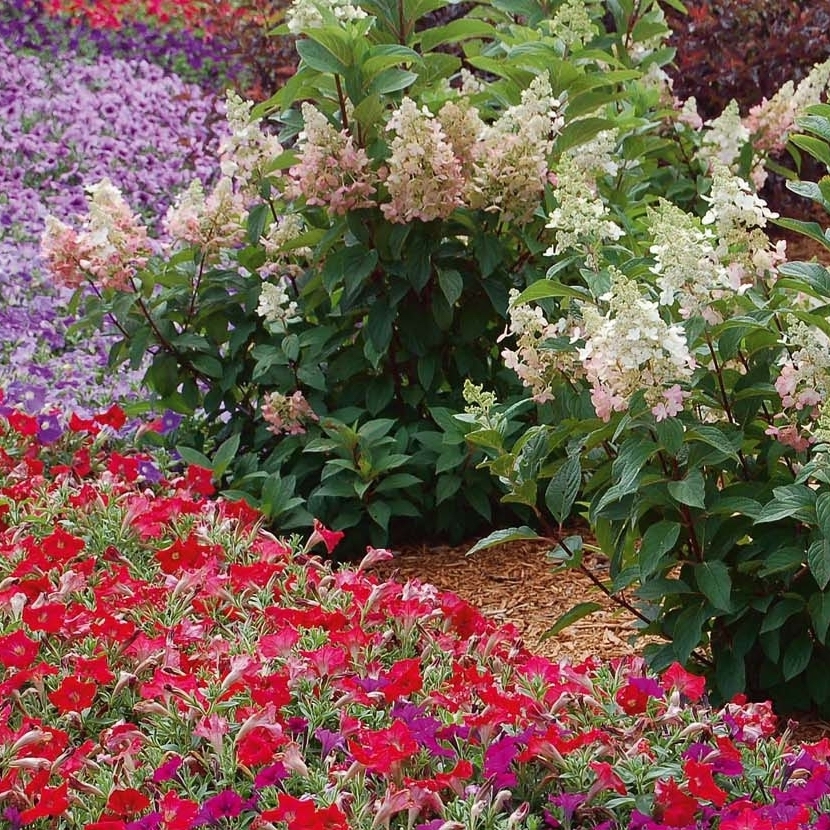
Flowering shrubs are also a natural fit for a cottage garden, adding dense green foliage along with splashes of color. Some shrubs are suitable for growing in containers – a great way to add height to a small space cottage garden. Dwarf lilacs and small hydrangeas are good options.

If there’s enough space, small trees make beautiful focal points. Fruit trees like apple or pear trees are perfect. Other options include trees with colorful foliage or flowers, such as Japanese maple or crepe myrtle.

A cozy cottage garden including delphinium, blue salvia, lupine, and a red Japanese maple.

Best Fruits and Veggies for a Cottage Garden

When space permits, a cottage garden can include beds for growing any sort of veggies, fruits, or herbs. However, the core of the garden should be crowded. That means ground-level sunlight exposure is limited. Therefore, the best food plants for these layouts are those that have full, bushy habits or ones that can be grown vertically on trellises or cages.

Here are a few recommendations for growing food in a cottage garden:

Patty Pan Summer Squash ‘Sunburst’ (Cucurbita pepo)

Patty Pan Summer Squash ‘Sunburst’ (Cucurbita pepo)

Beautiful color and delicious flavor are sure to make this petite squash a summer family favorite. One of the earliest yellow scalloped squash available with tender, buttery flesh. Recognized by All-America Selections in 1985 for vigorous growth, productivity and fruit quality. Wonderful for baking. Can also be sliced, batter and fried. An excellent squash for pickling!
Heirloom Tomato (Lycopersicon esculentum)

Heirloom Tomato (Lycopersicon esculentum)

As a result of large-scale agricultural practices, very few of the tomato varieties that exist ever find their way to the market and or the dining table. Many older varieties, known as “heirlooms” are being made available once again for the home gardener. These varieties provide an opportunity to explore growing the same plants that were popular in past decades and savoring the unique colors and flavors that each has to offer. Can be eaten fresh off the vine or used in salads and cooking. Excellent for flavoring a variety of dishes.
Red Raspberry (Rubus idaeus)

Red Raspberry (Rubus idaeus)

Sometimes referred to as the European Raspberry, this plant is a close relative to the North American-type Raspberry. Each stem, or cane, produces juicy fruits in its second year. Raspberries may be stored one to two days in the refrigerator, but are easy to freeze and store for use later, if desired. Delicious in pies, tarts, jams, and preserves. Serve as a scrumptious dessert or appetizing breakfast.
Dill (Anethum graveolens)

Dill (Anethum graveolens)

The fine, ferny texture of dill foliage adds a wonderful, airy feel whether growing among garden flowers or in the herb garden. For thousands of years many cultures have enjoyed dill as a seasoning for food, or for its therapeutic values. Foliage and seeds can be dried and stored for later use, or fresh foliage can be sealed and frozen.
Peas (Pisum sativum var. sativum)

Peas (Pisum sativum var. sativum)

A triple-purpose variety! Can be used as a snow pea (pod and all) when young, as a snap pea, or regular shell pea when mature. A must for every vegetable garden. Superb for eating fresh or added to a variety of dishes. Delicious when boiled or stir-fried. Delicious when lightly steamed and covered with cheese sauce or melted butter. Wash fruits, vegetables and herbs thoroughly before eating.
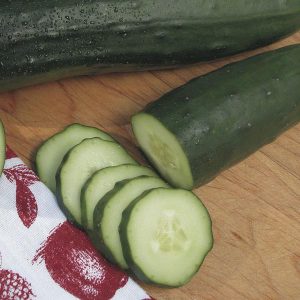
Cucumber (Cucumis sativus)

Cucumber (Cucumis sativus)

Cucumbers are easy to grow, produce all season long, and are high in nutritional value. There are two main types of cucumbers; slicing types and pickling types. Slicing types are best for eating fresh. Grow these for use on salads, sandwiches and relish trays. Pickling cucumbers are small and well suited for making home canned pickles. Cucumber plants usually vine and require space to spread out or a trellis to grow up.
No results found.

Heirloom vegetables continue to grow in popularity as more and more people discover their exceptional flavors and unusual colors. Heirlooms also have the advantage of growing true from seed. Gardeners can save seed from year to year to ensure reliable harvests. They’re perfect for growing along with traditional herbs to add authenticity to the cottage garden theme.

A dense planting of ornamental herbs and vegetables.

Cottage Garden Layout and Materials

A cottage garden plan involves more than plant selection. The style is achieved through dense, lush plantings, traditional materials that evoke rural charm, and a layout that encloses a space in green, cozy warmth.

Elements to consider adding to a cottage garden include:

  • Brick, stone, or cobblestone paths
  • Seating and side tables
  • Vertical structures like archways, trellises, or living walls
  • Bird houses and bird baths
  • Picket fencing
  • Decorations with themes of nature or country life
  • Use natural materials like stone, wood, or wicker as much as possible. Select items that are unique and full of character. For example, quirky ornaments such as garden gnomes are perfect for a cottage garden.

The assortment of plants and other features don’t need to form a perfect color scheme or have a common theme. The aesthetic can have a somewhat random and thrown-together feel, as long as the end result is pleasant and attractive.

Colorful backyard cottage garden with table and chairs.

Embracing the Art of Garden Design

A beautiful, themed garden, such as a cottage garden, may evolve naturally over time. However, many gardeners take pleasure in the planning process. When a landscape is thoughtfully planned, plants are more likely to thrive. A planned garden also helps with getting the most out of a small space and creating a setting that’s suited for human enjoyment. Learn more about garden planning in our guide, Garden Design: Planning a Beautiful Garden.

0 Comments

Submit a Comment

Your email address will not be published. Required fields are marked *

Related Posts

Prehistoric Plants for Today’s Gardens

Prehistoric Plants for Today’s Gardens

Discover prehistoric plants that have survived unchanged for millions of years that you can grow in your own landscape.
9 Creative Window Box Ideas for Your Home

9 Creative Window Box Ideas for Your Home

Window boxes create the perfect transition from your garden to your house. Make the most of this “bonus” garden space with these creative window box ideas to dress up your window boxes year-round.
Tips for Planting and Growing Hyacinths

Tips for Planting and Growing Hyacinths

All about growing hyacinths, one of the most colorful and fragrant of the spring flowering bulbs.
No results found.

Related Posts

What is a Permaculture Garden?

What is a Permaculture Garden?

12 Evergreen Groundcovers for a Low-Maintenance Landscape

12 Evergreen Groundcovers for a Low-Maintenance Landscape

Best Plants to Attract 6 Common Hummingbird Species

Best Plants to Attract 6 Common Hummingbird Species

No results found.
frost map with dates

Frost Map with Dates

USDA zone finder with zip code search and maps

USDA Zone Finder

plant library

Plant Library

Save plants to your personal library

Join My Garden Club to access more features

Already a member?
Log in now

Pin It on Pinterest

Share This

Share this post with your friends!