

By Judy Stout
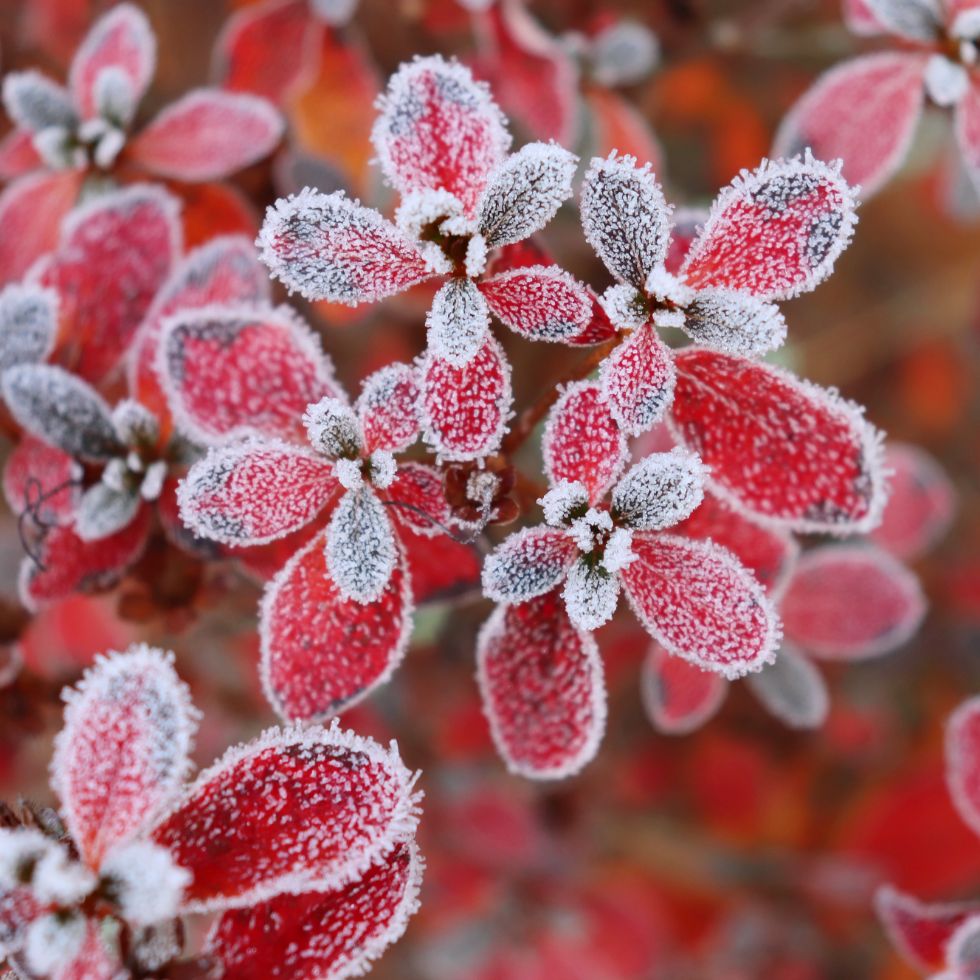
Shrubs with red leaves are a brilliant way to add color and visual interest to your landscape on a grand scale. They’re easy to care for and offer long-season color without the fuss of flowers.
Landscape Design Using Shrubs with Red Leaves
Designing a garden with shrubs that feature red leaves is a great way to create stunning visual impact and add depth to your landscape. When considering landscape design ideas, it’s essential to think about how these striking plants will interact with other elements in your garden.
The shades of red shrubs available may vary from bright red to burgundy to nearly purple depending on the shrub species. This provides a broad palette to find a red shade just right for your location and design scheme. The darker, burgundy-red shades can get lost in the shadows so be sure to give them a prominent location or surround with high contrast foliage or flowers to help them stand out.

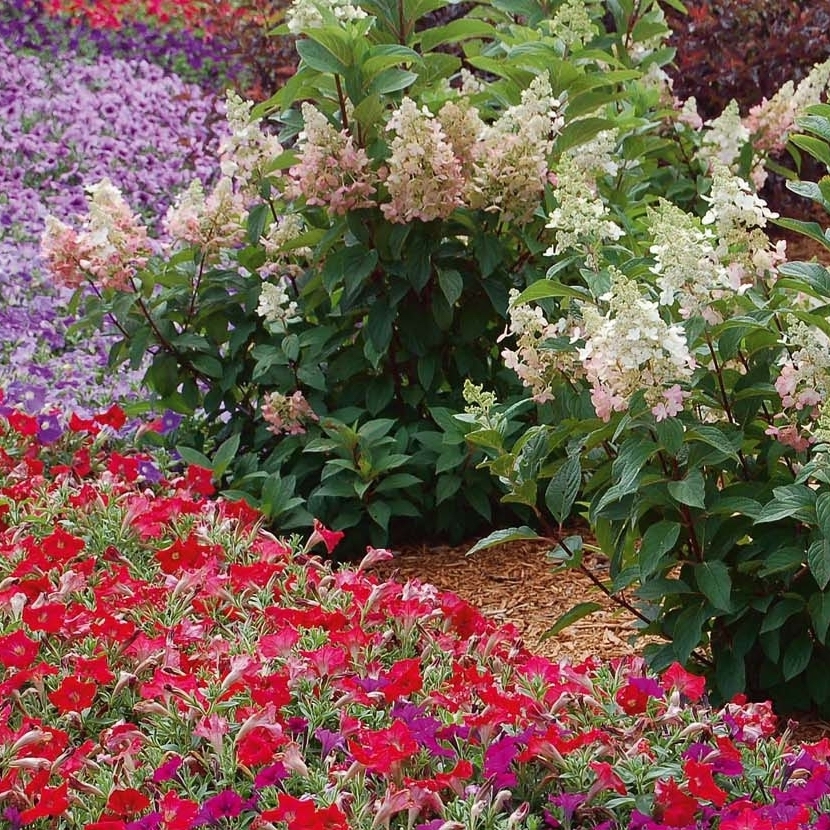
Color contrast in gardens is crucial for creating an inviting atmosphere. By mixing different shades you’ll achieve a dynamic look that draws the eye. Place your red shrubs with companions that complement its colorful foliage such as evergreen shrubs with green leaves, or plants with silver or white foliage. For textural contrast try planting shrubs with red leaves with ornamental grasses.

For a warm color aesthetic plant your red shrubs with flowers or other shrubs from the same color family such as orange, yellow, or even a contrasting shade of red. For a cooler palette consider plants with soft pink, blue, or lavender flowers.
Red-leaved shrubs can serve as focal points or accents. You could also plant a hedge for a solid wall of color or to create a backdrop for other colors of foliage and flowers.

Whether you opt for low-maintenance options or enjoy the tidy appearance of a well-tended hedge, the key is to ensure that your red shrubs harmonize with neighboring plants while still allowing their stunning red leaves to take center stage.
Why Do Some Plants Have Red Leaves?
Chlorophyll is the pigment within a plant that absorbs sunlight and uses it in combination with certain molecules to make energy for a plant. Plants with red leaves have a lot of the chlorophyll pigment present (enough to survive) but they have more of another pigment, called a carotenoid, that can mask the green chlorophyll. The specific pigment that is responsible for red leaves is called anthocyanin.
Anthocyanins may have the ability to help protect plants from sunburn. They absorb the ultraviolet light that can burn plants (the same light wavelength that burns the skin of people). Anthocyanins in a plant could be compared to the sunblock we humans apply on our skin to protect from these harmful rays.

Protective Functions of Anthocyanins
The plant pigment, anthocyanin, is responsible for the red, purple, and blue colors for fruits, vegetables and foliage. Anthocyanins help protect plants from the following conditions:
- Oxidative damage to plant cells.
- High UV radiation.
- Helps restore plant’s resilience resulting from nutrient deficiencies.
- Extreme temperatures, hot or cold.
To keep your red-leaved shrubs looking their vibrant best, it’s important that you don’t allow them to suffer undue water, light or high temperature stress. Periodic fertilization can also help keep your shrubs growing their best. Applying mulch or compost around the root zone can also help retain moisture and keep roots cool.
Growing and Caring for Red-Leafed Shrubs
Growing and caring for red-leafed shrubs is quite simple when they are provided with the right growing conditions. To ensure these stunning plants thrive, it’s important to understand their specific needs regarding soil, sunlight, and pruning.
Planting
Ideally, planting a shrub should occur in early spring or in fall, before the onset of winter dormancy. This timing puts the least amount of stress on a newly planted shrub and allows it to establish a strong root system.
Soil Requirements
Red-leaved shrubs, like most shrubs, typically prefer well-draining soil enriched with organic matter. A slightly acidic to neutral pH is suitable for most varieties. Incorporating compost or peat moss can improve soil structure and provide essential nutrients as the organic matter breaks down over time.
Light
Sunlight needs are important to get the best foliage color. Most shrubs with red leaves flourish in full sun to partial shade, requiring at least 6 hours of direct sunlight daily to maintain their vibrant foliage color. However, it’s essential to monitor red-leafed shrubs during extreme heat; some may benefit from afternoon shade to prevent leaf scorch.
If you live in a region with especially hot summers, take into consideration the heat and drought tolerance of your selections before bringing them home from the garden center.
Pruning
Pruning techniques play a vital role in maintaining the health and aesthetics of your red-leafed shrubs. Regular pruning helps promote bushier growth and enhances air circulation within the plant. The best time to prune is typically in late winter or early spring before new growth begins. Focus on removing dead or damaged branches as well as any overcrowded areas that could hinder proper growth.
Many shrubs with red leaves can also be planted in a row and pruned into a hedge for a more refined or formal look.
Conditions that could Cause Red Foliage to Revert to Green
A shrub with red leaves can revert in part, or in whole, back to green foliage under the right circumstances. Things that could cause red foliage to revert to green include:
Too Much Sunlight
It is possible for the red coloration of some shrubs to diminish slightly during the height of summer when there is lots of sunshine available for chlorophyll production. Red foliage may take on a green tinge, or whole areas of green foliage may appear and potentially outgrow the red branches.

Too Much Shade
On the other hand, too much shade can also cause some shrubs with red leaves to lose their color. In the shade, with less light, plants rely more heavily on foliage that has the highest levels of chlorophyll to absorb the highest amount of sun rays. It follows that the greener the leaves, the more they help optimize the production of energy vital to the plant’s survival. Because of that it would be advantageous to the overall shrub if the heartier, green foliage were to out-compete the red foliage, but it would leave you with a less attractive shrub with a mix of red and green leaves.
Environmental Stress
Environmental stress can encourage shrubs with colorful leaves to revert to green, but it can cause also cause the foliage of some green shrubs to develop a red tinge. That’s because of the role anthocyanin plays in protecting a plant during stressful times. As the anthocyanin pigment increases, the greater chance the foliage will become tinged red. This red coloration can happen in a wide array of plants, not just shrubs.

Studies are showing that plants in urban areas are more likely to turn red as a result of high heat. It was discovered that green plants in urban settings, located in the midst of paved areas where the buildings and pavement retain heat, are more likely to develop leaves with red in them.
Green Branches on a Red Shrub
If you notice a specific branch that is green growing among the red foliage it may be advisable to prune it out. Allowing it to remain won’t harm the shrub, but it could spoil the overall aesthetic of a red shrub.
Choosing Shrubs with Red Leaves
The following is a selection of some of the most popular shrubs with red leaves for home landscaping. Be sure to check the USDA hardiness zones to determine if a shrub is right for your region.

Red-leaved Contorted Filbert ‘Red Dragon’ (Corylus avellana)

Japanese Pieris, Lily Of The Valley Shrub ‘Valley Fire’ (Pieris japonica)

Japanese Pieris, Lily Of The Valley Shrub ‘Forest Flame’ (Pieris japonica)

Japanese Spirea, Japanese Meadowsweet ‘Firelight’ (Spiraea japonica)

Heavenly Bamboo ‘Fire Power’ (Nandina domestica)

Red Japanese Barberry ‘Atropurpurea’ (Berberis thunbergii)

Ninebark ‘Red Baron’ (Physocarpus opulifolius)

Weigela ‘Dark Horse’ (Weigela florida)

Smokebush ‘Grace’ (Cotinus coggygria)

Photinia, Red Tip (Photinia x fraseri)

Purple-leaf Sand Cherry, Purple-leaf Plum (Prunus x cistena)
Dwarf Red Shrubs for Spot Color
These petit versions of their larger cousins are perfect for adding easy-care color to a small-space garden, the front of a mixed border, or for growing in a container on a deck or terrace.

Dwarf Ninebark ‘Little Devil™’ (Physocarpus opulifolius)

Dwarf Heavenly Bamboo ‘Compacta’ (Nandina domestica)

Red Japanese Barberry ‘Crimson Pygmy’ (Berberis thunbergii)
Shrubs with Exceptional Fall Foliage
While these three shrubs are green most of the growing season, they are especially popular for their incredible fall color that can range from yellow to orange to red. If fall is your favorite season, you will definitely want to consider one adding one or more of these shrubs to your landscape or small-space garden.

Dwarf Bottlebrush, Dwarf Fothergilla (Fothergilla gardenii)

Highbush Cranberry (Viburnum trilobum)

Burning Bush (Euonymus alatus)
More Colorful Shrubs
Shrubs with gold foliage are another way to incorporate a big splash of color and can be used with red shrubs to add excitement to a space. Identify gold-leafed shrubs that will grow well in your region in our article Shrubs with Gold Leaves to Liven Up Your Landscape.



0 Comments