

By Kelly Miller
A keystone species is one that helps hold an entire ecosystem together. Well-known examples include big predators, such as wolves, and major pollinators, such as honeybees. However, none of these animals could survive without their less-celebrated partners: keystone plants.
A keystone plant is one that provides critical food and habitat for wildlife, especially insects. By supporting small organisms, keystone plants form the foundation of entire food webs.
What Do Keystone Plants Do?
“Keystone species” isn’t a scientific designation. However, it’s understood that certain species play oversized roles in their ecosystems. For example, beavers are ecosystem engineers that create ponds and wetlands. Just a few beavers can revitalize an entire landscape, creating habitat for dozens of other species.

In the world of plants, a keystone species is one that many other organisms rely on. North America’s keystone plants are mainly the native, woody, herbaceous trees and shrubs that pollinators and other critters turn to for food and shelter.
Keystone plants provide:
- Pollen for pollinators, especially insects that only feed from a few sources.
- Food in the form of foliage, flowers, nectar, fruits, and seeds for insects, birds, and mammals.
- Habitat for insects such as bark and leaf litter.
- Insects provide food for an array of reptiles, birds, and even some mammals.
- Shelter, resting sites, and nesting sites for birds (nesting sites).
Keystone plants are a great way to boost the wildlife value of a small piece of land, such as a suburban yard. In areas where most natural habitat has been removed keystone plants are lifelines for wildlife.
9 Keystone Plants for Home Landscapes
If you’re interested in native plant gardening or wildlife-friendly landscaping, keystone plants are a good starting point. Here is a list of nine keystone plants to consider adding to your home landscape.
Note, this list consists of broad classifications, such as “oaks” and “milkweeds.” These are trees and plants that occur as keystone species in many places. Be sure to seek out the specific species that are native to your local ecosystems.
1. Oaks (Quercus species)
Oaks are the prime example of keystone plants, supporting a greater variety of insects and animals than any other tree genus. Oak trees play essential roles in a vast range of ecosystems. Oak foliage feeds hundreds of caterpillar species, which in turn provide food for birds. Nutrient-rich oak acorns are an essential winter food source for dozens of bird and mammal species, and oak canopies create shade and shelter in habitats ranging from deserts to forests to city streets.
The United States has around 90 native oak species. In nearly every region of the country, a native oak is a terrific option for developing a landscape around a keystone tree.

2. Willows (Salix species)
Willow trees grow along streams, where they stabilize banks and provide shade for aquatic life. They’re among the first trees to leaf out in springtime, and among the last to drop leaves in autumn.
The non-native weeping willow is popular, but there are lots of native willows that provide more benefits for local wildlife.
Consider regional options like the shining willow in the North, the coastal plain willow in the Southeast, or the black willow almost anywhere. Native willows provide rich leaf litter, seeds for birds, and critical food and habitat for native pollinators. Fallen trees become platforms where reptiles can warm themselves in the sun.

3. Cottonwoods (Populus species)
Several cottonwood species serve as keystone plants in North America. Eastern cottonwoods are native to most of the U.S., while the West is home to black cottonwoods and Fremont cottonwoods.
Cottonwoods grow very large, so they’re best-suited for spacious properties. They offer tremendous value to local wildlife, including food and habitat for hundreds of caterpillar species. Cottonwoods are also associated with bird diversity. They increase the supply of insect food for birds and provide plenty of niches and materials for building nests.

4. Cherry and Plum Trees (Prunus species)
Within the Prunus genus, several cherry and plum trees are considered keystone plants. These include black cherry, chokecherry, and American wild plum. Prunus trees are essential for pollinators, especially moths and butterflies of the Lepidoptera order.
Cherry and plum trees can be managed as small, attractive trees or shrubs, making them ideal keystone plants for home landscapes.

5. Maples (Acer species)
North America’s maple trees host over 250 native insect species. They form dense, expansive canopies that shade forest understories, while providing ample food for wildlife in the form of seeds, sap, and foliage.
Foreign varieties, such as Japanese maple, are popular in American landscapes. However, several native maples are considered keystone plants: sugar maple, red maple, and silver maple. These trees provide crucial early-spring support for pollinators. Each native maple hosts over 200 caterpillar species.

6. Goldenrod (Solidago species)
There are more than 100 species of goldenrod, most of which are native to North American meadows and prairies. Widely recognized for its ecological importance, goldenrod is the official state flower, wildflower, or herb of four U.S. states. It’s one of the most important plants for North American pollinator diversity, hosting the larvae of over 100 butterfly and moth species. It also provides a primary food source for dozens of bee species.
Goldenrod usually only grows a few feet tall. In many regions, it’s one of the best and easiest plants to grow for a thriving pollinator garden.

7. Sunflowers (Helianthus species)
Thanks to their specialized relationships with dozens of bee and caterpillar species, native sunflowers are considered keystone species. Among keystone plants, they’re one of the most attractive and easy-to-grow options for home gardens.
There are around 70 sunflower species, almost all of which are native to North America. The most common variety in gardens is the domesticated common sunflower (Helianthus annuus). These produce big, bright flower heads and the edible seeds that are a common snack food, and they’re highly attractive to pollinators. However, gardeners in many regions also have interesting native sunflower species to choose from, such as swamp sunflower and woodland sunflower.

8. Milkweed (Asclepias species)
Milkweed has become a symbol of the native plant movement, and for good reason. This colorful wildflower is best known as the only food source for monarch butterfly caterpillars. Thus, widespread milkweed is essential for the survival of these beloved pollinators. Additionally, milkweed provides nectar and pollen for many species of native bees.
There are over 100 species of milkweeds native to North America. It’s best to plant milkweeds that are native to your local area. To identify ideal species and locate a local vendor, try this Milkweed Finder tool from the Xerces Society.

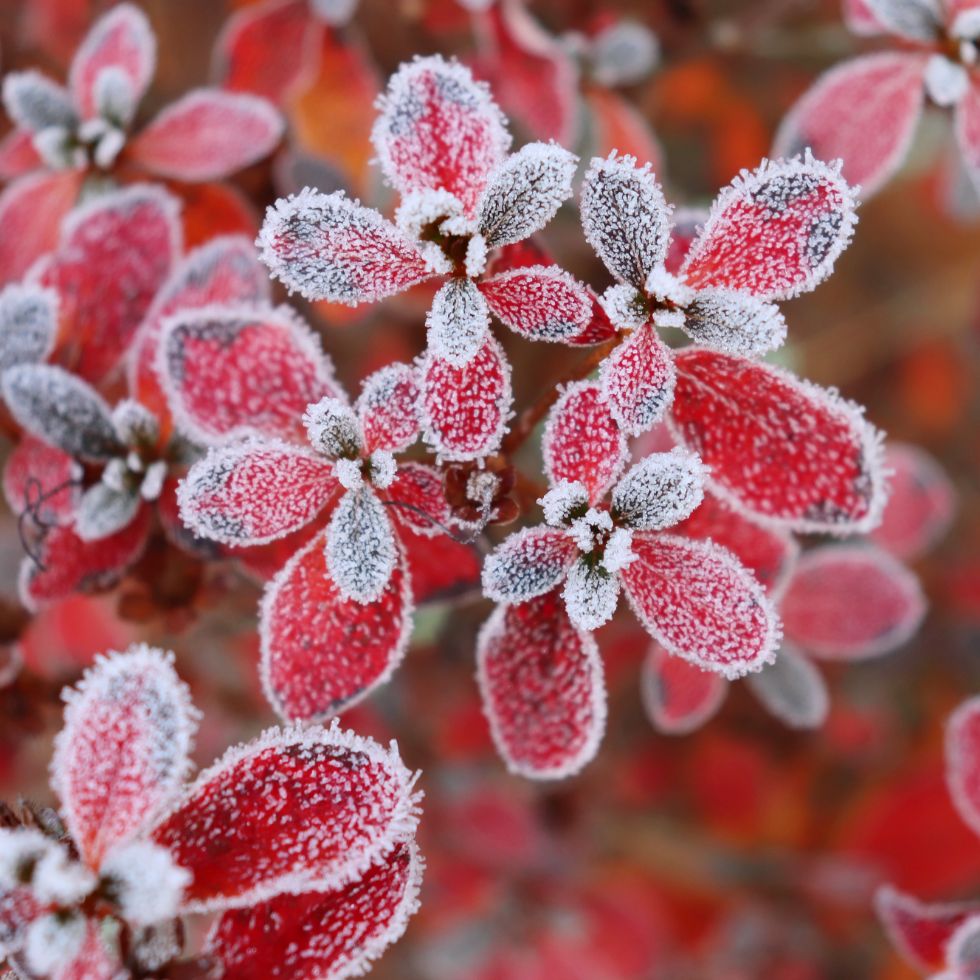
9. Blueberry (Vaccinium species)
Several blueberry plants are native to North America, including Northern highbush, Southern highbush, lowbush, and rabbiteye. In nature, blueberry plants have specialized relationships with all sorts of pollinators, birds, and mammals as large as bears. In the home garden, blueberries support local pollinators and provide delicious ingredients for pancakes and baked goods.

More Native Plant Suggestions
Keystone plants are a great starting point for transforming a small space into a wildlife haven. Find more native plant suggestions and growing tips in our guide: Gardening with Native Plants—Growing Tips and 30 Perennial Native Plant Suggestions.




0 Comments